
How to Choose the Right Sofa for Your Space
Categories
Home Decor
Home Decor
Home Decor
Home Decor
Home Decor
Home Decor
Home Decor
Recent Posts


BLOG BANNER
How to Choose The Right Sofa for Your Space
Choosing the right sofa for your space is an important decision because it can completely change the look, comfort, and functionality of your room. The sofa should not only look beautiful but also fit perfectly within the available space. Before selecting the design, fabric, or color, you need to understand the size and layout of your room. A sofa that is too large can make the space feel crowded, while a smaller sofa may look out of place. That is why proper measurements should always be your first step. In this guide, we will explain how to choose the right sofa for your space and create a comfortable and well-balanced interior.
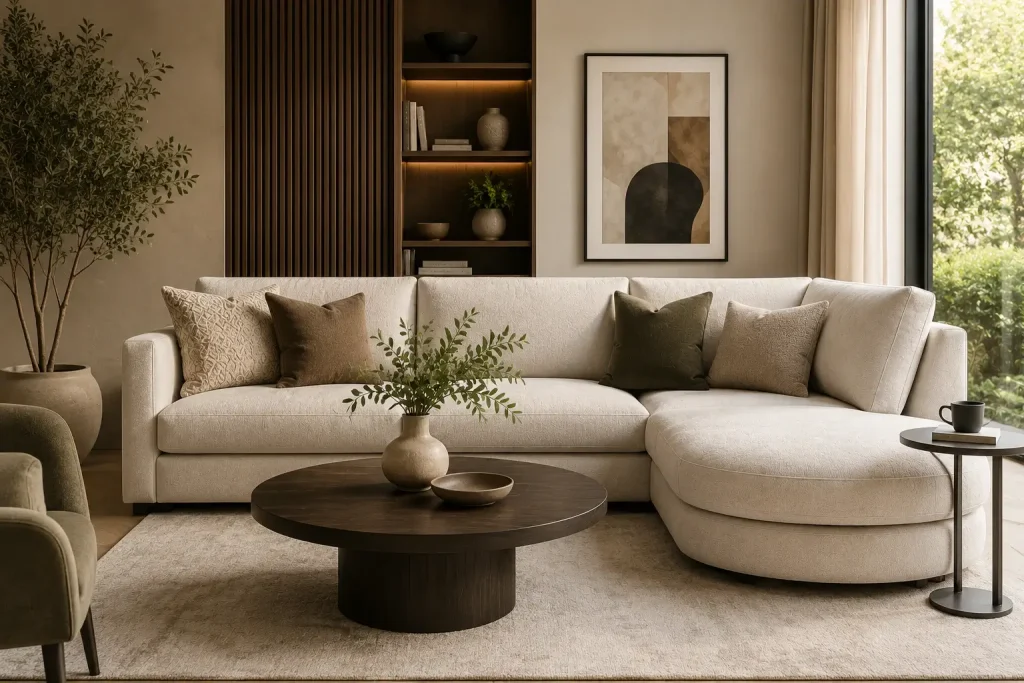
1. Measure Your Space Before Choosing a Sofa
Before purchasing your sofa, you need to carefully measure the space where you plan to place it. This will help you understand which sofa size and layout will work best for your room. You should consider not only the sofa’s placement but also the available floor area, entry points, and walking space. Proper measurements can save you from choosing a sofa that looks good but does not fit properly.
Measure the Room
Start by measuring the overall length and width of your room where you want to place the sofa. This will give you a clear idea of how much space is available for your sofa and other furniture pieces. You should also consider the height of the room if you are planning to choose a sofa with a high back or large design. Take accurate measurements instead of estimating the available space. These measurements will make it easier to select a sofa that looks proportionate and balanced within your room.
Check the Available Floor Space
After measuring the room, focus on the actual floor space available for your sofa. Consider the position of your coffee table, TV unit, side tables, cabinets, or other furniture pieces. You should leave enough space around the sofa so the room does not feel overcrowded. For smaller rooms, a compact or streamlined sofa can make the space feel more open. For larger rooms, you can consider bigger layouts such as L-shaped, U-shaped, or modular sofas.
Measure Doorways, Hallways, and Staircases
Measuring the room alone is not enough because your sofa also needs to reach its final location safely. Measure the width and height of your main entrance, doorways, hallways, staircases, and other narrow areas leading to the room. This is especially important when choosing a large or custom-made sofa. A sofa may fit perfectly inside your room but still be difficult to bring through a narrow entrance. Taking these measurements in advance can help you avoid delivery and installation problems.
Leave Enough Space for Movement
Your sofa should provide comfort without blocking the natural movement around the room. Make sure there is enough walking space between the sofa, coffee table, walls, doors, and other furniture. Avoid placing a large sofa in a way that makes the room difficult to move around. You should also make sure that doors, drawers, and other furniture can open properly. A well-planned layout will make your space feel more comfortable, functional, and inviting.
2. Choose the Right Sofa Size
Choosing the right sofa size is just as important as choosing its design and color. The sofa should fit comfortably within your room without making the space look crowded or empty. You need to consider the room dimensions, existing furniture, and the number of people who will regularly use the sofa. A well-sized sofa creates a better balance between comfort, functionality, and overall appearance. Whether you have a compact apartment or a spacious living room, there is a sofa size that can work perfectly for your space.
Best Sofa Size for Small Living Rooms
For a small living room, it is better to choose a sofa that provides enough seating without taking up most of the available floor space. Compact two-seater or three-seater sofas are usually a practical option for smaller areas. You can also choose a sofa with a simple and streamlined design to make the room feel more open. Avoid very deep or bulky sofas because they can make a small room look crowded. A properly sized sofa will give you enough comfort while keeping the room functional and easy to move around.
Choosing a Sofa for a Medium-Sized Room
A medium-sized room gives you more freedom when selecting your sofa size and layout. You can choose a comfortable three-seater sofa or combine it with an additional chair or ottoman for more seating. An L-shaped sofa can also work well if you want to make better use of a corner. Make sure the sofa does not cover too much of the available floor space. The goal is to create a balanced arrangement where your sofa, tables, and other furniture can work together naturally.
Large Sofas for Spacious Living Rooms
Large living rooms can accommodate bigger sofas and more elaborate seating arrangements. You can consider an L-shaped, U-shaped, modular, or large sectional sofa depending on your room layout. These sofas can provide plenty of seating for families and guests while filling the available space beautifully. However, a large room does not mean you should choose the biggest sofa available. The sofa should still be proportionate to the room and leave enough space for other furniture and movement.
How Much Space Should You Leave Around a Sofa?
Leaving enough space around your sofa is important for creating a comfortable and functional room. Make sure there is enough room between the sofa and the coffee table for people to sit and move comfortably. You should also avoid blocking doors, windows, walkways, or other important areas of the room. The exact space will depend on your room size and furniture arrangement. A well-planned layout will make your sofa easier to use and keep the entire room feeling open and inviting.
3. Choose the Right Sofa Shape for Your Room
The shape of your sofa can have a major impact on how your room looks and how effectively you use the available space. Different sofa shapes are designed for different room layouts, seating requirements, and interior styles. You should consider the position of your walls, corners, windows, and other furniture before choosing a particular shape. The right sofa shape can help you use your space more efficiently while also adding beauty and character to the room. Below are some popular sofa shapes you can consider for your space.
Straight Sofas
Straight sofas are one of the most versatile options and can work well in both small and large rooms. Their simple shape makes them easy to place against a wall or in the centre of a living room. They are available in different sizes, from compact two-seater sofas to larger three-seater designs. Straight sofas can also be paired with accent chairs, ottomans, or side tables for additional seating. If you prefer a simple and flexible layout, this sofa shape can be an excellent choice.
L-Shaped Sofas
L-shaped sofas are a practical option for people who want more seating while making good use of their available floor space. They can fit naturally into corners and help define a specific seating area within an open-plan room. These sofas are especially suitable for families who regularly spend time together in the living room. You can also choose different configurations depending on the layout of your space. With the right size, an L-shaped sofa can provide both comfort and functionality.
U-Shaped Sofas
U-shaped sofas are designed for larger spaces where you need generous seating for family members or guests. Their three-sided layout creates a comfortable and inviting seating area where people can sit together and interact easily. They are particularly suitable for spacious living rooms, entertainment areas, and large open-plan interiors. However, you should carefully measure your room before choosing this style because U-shaped sofas require more floor space. When properly planned, they can become the main focal point of a large room.
Corner Sofas
Corner sofas are designed to make effective use of the corners of your room while providing comfortable seating. They can be a smart choice when you want to maximize seating without placing separate sofas and chairs throughout the space. Corner sofas are available in different sizes and configurations to suit various room layouts. They can also help create a clearly defined seating area in an open-plan interior. Before choosing one, make sure its dimensions match the corner and available floor space.
Curved Sofas
Curved sofas can add a sophisticated and modern appearance to your living space. Unlike traditional straight sofas, their rounded design creates a softer visual effect and can make the seating area feel more inviting. They work particularly well in spacious rooms, open-plan interiors, reception areas, and luxury living spaces. You can choose a subtle curve for a simple look or a more dramatic design for a strong statement. If you want a sofa that combines comfort, functionality, and a distinctive aesthetic, a curved sofa Dubai can be an excellent option.
4. Consider How You Will Use the Sofa
Before choosing a sofa, you should consider how you and your family will use it on a daily basis. A sofa for regular family use may need different features compared to one used mainly for entertaining guests. If you enjoy watching TV or relaxing for long hours, deep cushioning and comfortable seating may be more suitable. For homes with children or pets, you may need durable and easy-to-clean materials. You should also consider the number of people who will regularly use the sofa. Understanding your lifestyle will help you choose a sofa that is both comfortable and functional.
5. Choose the Right Sofa Material and Fabric
The material and fabric of your sofa can affect its comfort, appearance, durability, and maintenance requirements. You should choose a fabric that suits your lifestyle and the amount of daily use your sofa will receive. Options such as boucle, textured chenille, velvet, polyester, and leather can give your sofa different textures and finishes. If your sofa will be used regularly, it is better to choose a durable material that can handle everyday use. You should also consider how easy the fabric is to clean and maintain. The right material will keep your sofa looking beautiful while providing long-lasting comfort.
6. Pick a Sofa Color That Works With Your Interior
The colour of your sofa should complement the existing design and overall vibe of your room. Before making your choice, consider the colour of your walls, flooring, curtains, rugs, and other furniture pieces. Neutral colours such as beige, cream, taupe, and grey can create a timeless and sophisticated appearance. If you want your sofa to become the main focal point, you can choose deeper shades or bold colours that add more character to the room. You should also think about your lifestyle because lighter colours may require more care in busy homes. The right sofa colour can bring the entire interior together and make your space feel more balanced.
8. Match the Sofa With Your Interior Style
Your sofa should complement the overall style of your interior instead of looking separate from the rest of the room. Before choosing a sofa, consider your existing furniture, wall colours, flooring, curtains, and decorative elements. Modern interiors can work well with clean and simple sofa designs, while luxury spaces may look better with elegant fabrics and sophisticated details. You can also choose a statement sofa if you want to make it the main focal point of the room. The right sofa style will bring all the elements of your interior together and create a more balanced appearance.
9. Consider Your Lifestyle and Family Needs
Your lifestyle and family needs should also play an important role when choosing the right sofa. If you have children or pets, you may need a durable fabric that is easier to clean and maintain. For large families, a sectional, L-shaped, or U-shaped sofa can provide additional seating for everyone. If you frequently invite guests, consider a sofa that offers enough seating without making the room feel crowded. You should also think about how much time you spend relaxing, watching TV, or entertaining on your sofa. Choosing according to your daily needs will help you get a sofa that remains comfortable and practical for years.
10. Set a Budget Before Buying a Sofa
Setting a clear budget before buying a sofa can make the selection process much easier. Sofa prices can vary depending on the size, design, material, construction, customization options, and overall quality. You should decide how much you are comfortable spending before exploring different options. However, choosing the cheapest sofa is not always the best decision because low-quality materials may not provide the same durability or comfort. If you need a specific size, fabric, colour, or layout, a custom-made sofa may have a different price based on your requirements. A well-planned budget will help you find the right balance between quality, comfort, design, and value.
12. Common Mistakes to Avoid When Choosing a Sofa
Choosing a sofa is a major decision, and a few simple mistakes can affect both its comfort and functionality. Many people focus only on the appearance of the sofa and forget to consider important practical details. You should carefully check the measurements, material, comfort, delivery requirements, and overall quality before making your final decision. Taking a little extra time during the selection process can help you avoid unnecessary problems later. Here are some common mistakes you should avoid when choosing a sofa for your space.
Buying a Sofa Without Measuring
One of the most common mistakes is buying a sofa without properly measuring the available space. A sofa may look perfect online or in a showroom but may not fit comfortably in your room. You should measure the room, available floor space, doorways, hallways, and staircases before placing your order. This is especially important when choosing large sectional or custom-made sofas. Proper measurements will help ensure that your sofa fits both your room and the route to its final location.
Choosing Style Over Comfort
A beautiful sofa can improve the appearance of your room, but it should also be comfortable enough for everyday use. Some people choose a sofa only because they like its colour, shape, or overall design. However, the wrong seat depth, cushioning, or back support can make the sofa uncomfortable after long periods of use. Before making your decision, consider how you normally sit and relax on your sofa. The best choice is one that combines an attractive design with the level of comfort you need.
Ignoring the Sofa’s Material
The material of your sofa affects its appearance, durability, comfort, and maintenance requirements. Choosing a fabric simply because it looks attractive may not be suitable for your lifestyle or daily usage. For example, busy households may need a durable and easy-to-clean material. You should also consider how the fabric will look and feel over time. Understanding the benefits and maintenance requirements of different materials will help you choose an option that remains practical and beautiful.
Choosing the Wrong Sofa Size
Choosing a sofa that is too large or too small can affect the entire balance of your room. A large sofa can make a small space feel crowded, while a very small sofa may look out of proportion in a spacious living room. Always compare the sofa dimensions with your available floor space before making a purchase. You should also consider your other furniture and the amount of walking space required around the sofa. The right size will make your room feel more comfortable, organized, and visually balanced.
Forgetting About Delivery and Installation
Delivery and installation are important factors that should not be overlooked when choosing a sofa. Before ordering, make sure the sofa can be safely transported through your entrance, hallways, staircases, and other access points. Large or customized sofas may require professional delivery and installation because of their size and configuration. You should also confirm the expected delivery time before placing your order. Planning these details in advance can make the entire sofa-buying experience easier and more convenient.
Where to Buy a Sofa in Dubai
If you are looking for a high-quality sofa in Dubai, Dubai Sofa offers a wide range of ready-made and custom-made sofas designed for different spaces and interior styles. From modern and luxury sofas to L-shaped, U-shaped, curved, and modular designs, you can choose an option that matches your space, comfort needs, and personal style. For customers with specific requirements, our team also offers complete customization, including sofa size, layout, fabric, colour, and cushioning. With professional consultation and delivery services, Dubai Sofa makes it easier to find or create the right sofa for your home or commercial space.
Final Thoughts
Choosing the right sofa for your space requires more than simply selecting a beautiful design. You need to consider the size and layout of your room, the sofa shape, comfort, material, colour, lifestyle, and budget. You should also make sure that the sofa can be delivered and installed without any difficulty. If you cannot find a ready-made sofa that perfectly matches your space, a custom-made sofa can give you more freedom with sizing, layout, fabric, colour, and cushioning. By considering all these factors carefully, you can choose a sofa that looks beautiful, feels comfortable, and works perfectly for your space.
Frequently Asked Questions
1. How do I choose the right sofa size for my room?
Measure the length and width of your available space before choosing a sofa. You should also consider your other furniture and leave enough room for comfortable movement. The sofa should be proportionate to the room without making the space feel crowded.
2. What type of sofa is best for a small living room?
A compact two-seater or three-seater sofa is usually a good choice for a small living room. You can also consider a compact L-shaped sofa if you want additional seating while making good use of a corner. Avoid bulky designs that take up too much floor space.
3. How do I choose the best sofa fabric?
Choose a sofa fabric based on your lifestyle, daily usage, comfort, and maintenance requirements. Durable and easy-to-clean fabrics can be a practical choice for busy homes. You should also consider the texture and finish of the material to make sure it matches your interior.
4. What sofa shape is best for my space?
The best sofa shape depends on your room layout and seating requirements. Straight sofas work well in many room sizes, while L-shaped and corner sofas are useful for making better use of corners. U-shaped and curved sofas can be suitable for larger spaces where you want a more distinctive seating arrangement.
5. Should I choose a custom-made or ready-made sofa?
A ready-made sofa can be a convenient option when you find a design and size that suits your space. A custom-made sofa gives you more freedom to choose the exact size, layout, fabric, colour, cushioning, and overall design. It can be particularly useful when you have specific space or design requirements.
6. How much space should I leave around my sofa?
You should leave enough space around the sofa for comfortable movement and easy access to other furniture. Avoid blocking doors, walkways, or important areas of the room. The required space depends on your room layout, sofa size, and the position of your coffee table and other furniture.
Related News
Submit comment