
How to Clean Sofa at Home – Easy Cleaning Methods
Explore Our Collection
Recent Posts


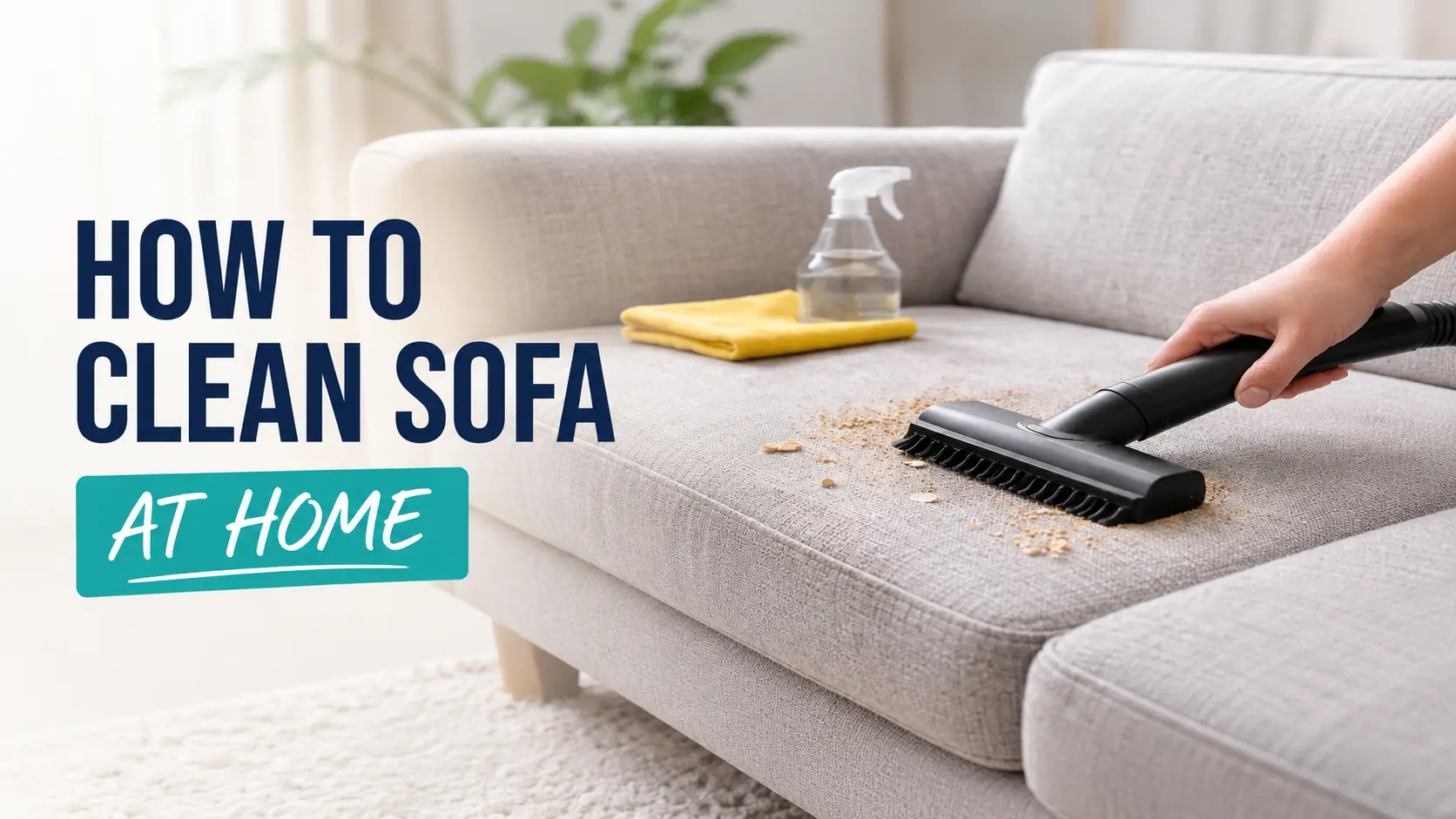
How to Clean Sofa at Home – Easy Cleaning Methods
Knowing how to clean sofa at home is the simplest way to keep your sofa fresh, hygienic, and beautiful for years. Dust, spills, pet hair, and everyday wear can make even the most luxurious sofa look dull in no time. The good news is that you do not need an expensive professional service to bring it back to life. With the right tools, the right method, and a little patience, you can achieve impeccable results in your own living room. This guide walks you through every step, from cleaning codes to stain removal, so you can clean your sofa safely and confidently.
Before You Start: Check Your Sofa’s Cleaning Code
Every great cleaning job begins with one small step, and that is reading the label. Customize Sofa fabrics react very differently to water and chemicals, and the wrong product can leave rings, shrinkage, or permanent colour damage. The manufacturer’s cleaning code tells you exactly what your fabric can handle. Checking it takes less than a minute and saves you from costly mistakes.
What the Cleaning Codes W, S, WS, and X Mean
Most upholstered sofas carry one of four standard codes:
- W: Water-based cleaners and mild soap solutions are safe to use.
- S: Only solvent-based or dry-cleaning products are safe. Never use water.
- WS: Both water-based and solvent-based cleaners are safe.
- X: Vacuum or light brushing only. Any liquid cleaner can damage the fabric.
Where to Find the Tag on Your Sofa
The cleaning tag is usually stitched under the seat cushions, along the side of the frame, or on the underside of the sofa. If you cannot find it, check the care booklet or the product page from your supplier. Still no luck? Treat the fabric as “X” and begin with dry methods only.
How to Do a Patch Test
A patch test shows you how your fabric reacts before the cleaner touches a visible area. Follow these simple steps:
- Choose a hidden spot, such as the back, the underside, or beneath a cushion.
- Apply a small amount of your cleaning solution with a white cloth.
- Blot gently and let the area dry completely.
- Check for colour transfer, fading, or changes in texture. If the fabric looks the same, you are good to go.
What You Need to Clean a Sofa at Home
You do not need a professional toolkit to get professional-looking results. Most of what you need is already in your home, and the rest is easy to find at any supermarket in Dubai and across the UAE. Having everything ready before you begin makes the process faster, smoother, and far less messy. Here is the complete list of essentials.
Basic Tools
- Vacuum with upholstery attachment: Lifts dust, crumbs, and pet hair
- Soft-bristle brush: Loosens dirt from seams and folds
- Microfiber cloths: Blots stains without leaving lint
- Spray bottle: Applies cleaner evenly and lightly
Simple DIY Cleaning Solutions
- Baking soda: Absorbs odours and fresh spills
- Mild dish soap: Gentle on fabric, tough on grease
- White vinegar: Breaks down stains and mild odours
- Rubbing alcohol: Lifts ink and stubborn marks fast
Optional: Steam cleaner: Deep cleans and sanitizes fabric
How to Clean a Sofa at Home: Step-by-Step
Cleaning your sofa does not have to be complicated or time-consuming. Follow these seven simple steps in order, and you will get fresh, spotless results without damaging the fabric. Always keep your cleaning code and patch test results in mind before you begin.
Step 1: Remove Cushions, Covers and Loose Items
Start by clearing the sofa completely. Take off all throw pillows, blankets, and loose cushions, and remove any detachable covers. Check the cleaning tag on each cover before washing, as some can go in the machine while others need spot cleaning only. Removing everything gives you full access to the frame, the seat base, and the hidden corners where dirt gathers.
Step 2: Vacuum the Entire Sofa, Including Seams and Crevices
Use the upholstery attachment to vacuum every surface of the sofa, including the arms, the back, and the underside of the cushions. Pay special attention to seams, piping, and the gap between the seat and the backrest, where crumbs, dust, and pet hair settle. In Dubai, fine desert dust builds up quickly, so go over each section twice. Loosen stubborn dirt with a soft-bristle brush before vacuuming.
Step 3: Pre-Treat Visible Stains
Deal with stains before you clean the whole sofa, as this stops them from spreading. Blot fresh spills with a dry microfiber cloth, pressing gently instead of rubbing. Then apply a small amount of your chosen stain remover directly to the mark and let it sit for a few minutes. Always test the product on a hidden area first.
Step 4: Prepare the Right Cleaning Solution for Your Fabric
Your cleaning code decides which solution is safe to use:
- W or WS fabrics: Mix one teaspoon of mild dish soap with one cup of warm distilled water in a spray bottle.
- S fabrics: Use a solvent-based or dry-cleaning product designed for upholstery, and make sure the room is well ventilated.
- X fabrics: Skip liquids entirely and stick to vacuuming and gentle brushing.
Distilled water is recommended because it leaves fewer water marks than tap water.
Step 5: Clean Section by Section
Work on one small area at a time, such as one cushion or one armrest, so the fabric never becomes too wet. Lightly mist the solution onto the surface and gently scrub with a soft brush or a clean microfiber cloth in circular motions. Move from the top of the sofa to the bottom, and use a fresh part of the cloth as it picks up dirt. Never soak the fabric, as too much moisture can reach the foam and cause mildew.
Step 6: Rinse, Blot and Remove Excess Moisture
Go over each section with a cloth dampened in plain distilled water to lift any soap residue. Then press a dry, clean microfiber cloth firmly onto the fabric to absorb as much moisture as possible. Blot instead of rubbing, as rubbing can push dirt deeper and damage the fibres. For the best finish, brush the fabric lightly in one direction once the area is just damp.
Step 7: Let It Dry and Fluff the Cushions
Allow the sofa to air-dry completely before anyone sits on it. Open the windows or switch on a fan to improve airflow, and keep the sofa out of direct sunlight, which can fade the colour. Drying usually takes 4 to 8 hours, but it can take longer in humid weather. Once dry, sprinkle a light layer of baking soda, leave it for 20 minutes, and vacuum it off to refresh the fabric. Fluff and reposition the cushions to restore their shape.
How to Clean a Sofa by Fabric Type
Every fabric has its own personality, and what works perfectly for one can ruin another. The right method depends on the fibre, the weave, and the finish of your sofa. Use the guides below as a quick reference, and always check your cleaning code before you start.
How to Clean a Velvet Sofa
Velvet is a luxurious fabric, so treat it with care. Vacuum gently with a soft brush attachment, always moving in the direction of the pile. For cleaning, use a lightly dampened microfiber cloth with a mild soap solution, and avoid soaking the fabric. Once dry, brush the pile softly to restore its smooth, rich texture. Never use harsh scrubbing or steam on velvet, as it can crush the fibres permanently.
How to Clean a Microfiber Sofa
Microfiber is one of the easiest fabrics to maintain, but it often carries an “S” or “WS” code. Check the tag first, as water can leave marks on some types. For “S” or “WS” fabrics, use rubbing alcohol in a spray bottle, mist lightly, and scrub gently with a white cloth. Let it dry fully, then brush the surface with a soft brush to bring back the soft, suede-like feel.
How to Clean a Chenille Sofa
Chenille has a plush, soft surface that traps dust and snags easily. Vacuum with a soft attachment and avoid brushes with stiff bristles. Spot clean with a mild soap solution, blotting instead of rubbing, as rubbing can loosen the yarns. Use as little water as possible, since chenille can shrink or stiffen when over-wet. Let it dry naturally and fluff the surface gently with your hand.
How to Clean a Linen or Cotton Sofa
Linen and cotton are breathable and natural, but they also absorb stains quickly. Treat spills immediately by blotting them. For general cleaning, use a mild soap solution on “W” or “WS” fabrics and work in small sections. Avoid hot water and strong detergents, which can shrink the fibres or cause yellowing. Dry the sofa away from direct sunlight to protect the colour.
How to Clean a Boucle Sofa
Boucle’s looped texture is beautiful, but it catches dirt and snags easily. Vacuum slowly with a soft attachment, and never use a stiff brush. For stains, dab the area with a damp cloth and a drop of mild soap, working gently so the loops stay intact. Do not scrub or pull on any loose loops; trim them carefully with scissors instead. Allow it to dry fully before use.
How to Clean a Polyester or Nylon Sofa
Polyester and nylon are durable, stain-resistant, and among the simplest fabrics to clean at home. A mild soap solution works well on most types, and a steam cleaner can be used if the cleaning code allows it. Blot stains quickly, then clean the full surface section by section. Avoid high heat, as it can melt or warp synthetic fibres.
How to Clean a Leather or Faux Leather Sofa
Leather needs a gentler approach than fabric. Wipe the surface with a soft cloth lightly dampened with water and a few drops of mild soap, then dry it right away with a clean cloth. Skip vinegar, alcohol, and harsh cleaners, which can dry out and crack natural leather. Apply a leather conditioner every few months to keep it soft and supple. Faux leather is more forgiving, but it should still never be soaked or scrubbed hard.
How to Remove Common Stains from a Sofa
Stains are part of life, but they do not have to be permanent. The secret is to act fast, blot gently, and use the right solution for the type of mark. Always check your cleaning code and do a patch test before treating any stain, and never rub, as it pushes the stain deeper into the fabric. Here is how to handle the most common ones.
Coffee and Tea Stains
Blot the spill right away with a dry microfiber cloth to soak up as much liquid as possible. Mix one teaspoon of mild dish soap and one tablespoon of white vinegar with one cup of warm distilled water. Dab the solution onto the stain, working from the outside edge towards the centre, then blot with a clean damp cloth. Repeat until the mark fades and let the area air-dry.
Red Wine and Juice Stains
Red wine and juice stains set quickly, so speed matters. Blot the area immediately, then sprinkle baking soda or cornstarch over the stain to draw out the liquid. Leave it for 10 to 15 minutes and vacuum it away. For any remaining colour, dab with a mild soap solution on “W” or “WS” fabrics, or with rubbing alcohol on “S” fabrics. Avoid hot water, as heat can lock the stain into the fibres.
Grease and Food Stains
Scrape off any solid food gently with a spoon, then cover the grease with baking soda or cornstarch. Let it absorb the oil for at least 15 minutes and brush it off with a soft brush. Next, dab a small amount of mild dish soap mixed with warm water onto the mark and blot with a clean cloth. For “S” fabrics, use a solvent-based upholstery cleaner instead of water.
Pet Urine and Accident Stains
Blot the area quickly with paper towels or a dry cloth, pressing firmly to remove as much moisture as possible. Spray a solution of equal parts white vinegar and distilled water, wait five minutes, and blot again. Sprinkle baking soda over the area, leave it for several hours, and vacuum. For deeper stains and smells, an enzyme-based cleaner is the most effective option, as it breaks down the source of the odour. Avoid vinegar on leather, and test it first on delicate fabrics.
Ink, Makeup and Pen Marks
Dip a white cloth or cotton swab in rubbing alcohol and dab the mark lightly, using a fresh part of the cloth each time to avoid spreading the ink. For makeup, such as foundation or lipstick, a drop of mild dish soap on a damp cloth usually does the job. Work gently and patiently, and let the area dry before judging the result. Do not use alcohol on velvet or leather without a patch test.
Sweat Marks and Body Oils on Armrests and Headrests
These darker patches build up slowly and are easy to miss until they become obvious. Lightly mist the area with a mixture of equal parts white vinegar and distilled water, then wipe with a clean microfiber cloth. For oily buildup, add a drop of mild dish soap to the solution and blot gently. Finish with a dry cloth, and place a throw or headrest cover on these spots to protect them going forward.
How to Get Rid of Bad Smells from Your Sofa
A sofa can hold on to smells from cooking, pets, smoke, and everyday living, even when it looks clean. Odours settle deep inside the fabric and the foam, so surface cleaning alone is rarely enough. The methods below tackle the problem at its source and leave your sofa smelling fresh.
Baking Soda Method
Baking soda is the simplest and safest way to neutralize odours on almost any fabric. Remove the cushions and sprinkle a generous layer over the entire sofa, including the seams and the underside of the cushions. Leave it for at least one hour, or overnight for strong smells. Then vacuum thoroughly with the upholstery attachment until no powder remains.
Fresh-Air and Sunlight Method (With a Caution on Fading)
Fresh air helps to release trapped moisture and stale smells. Open the windows, switch on a fan, and stand the cushions upright in a well-ventilated space. If you want to use sunlight, limit it to one or two hours, as UV rays can fade colours and weaken fibres, especially in velvet and dark fabrics. In Dubai’s strong sun, shaded outdoor air is a safer choice than direct sunlight.
Smoke, Pet and Food Odours
Each type of smell needs a slightly different approach:
- Smoke: Ventilate the room well, apply baking soda, and place a bowl of activated charcoal nearby overnight to absorb lingering odours.
- Pet odours: Vacuum pet hair first, then use a vinegar solution or an enzyme cleaner on affected areas.
- Food odours: Lightly mist with a mix of distilled water and a few drops of white vinegar, then let the sofa air out.
Avoid heavy perfumes and air fresheners, as they only cover odours instead of removing them.
Deep Cleaning Methods Compared
When regular cleaning is not enough, a deep clean restores the colour, the texture, and the freshness of your sofa. There are three main ways to do it at home, and each one suits different fabrics and levels of dirt. Choosing the right method protects your sofa and gives you better results.
Dry Cleaning (Vacuum and Baking Soda)
Dry cleaning uses no water, which makes it the safest option for delicate fabrics and “X” coded sofas. Vacuum the whole sofa, sprinkle baking soda over the surface, and leave it for 30 minutes to an hour. Brush it in gently with a soft brush, then vacuum it up. This method removes light dirt, dust, and odours, but it will not lift deep stains.
Steam Cleaning
Steam cleaning sanitizes the fabric and removes deep-set dirt without harsh chemicals. It works best on durable “W” or “WS” fabrics such as polyester, nylon, and microfiber. Hold the steamer a few centimetres away from the surface and keep it moving, so the fabric never becomes soaked. Do not use steam on velvet, “S” or “X” coded fabrics, or natural leather, as heat and moisture can cause permanent damage.
Wet Cleaning with a DIY Solution
Wet cleaning with a mild soap and distilled water solution is ideal for visible dirt and everyday stains. Work section by section, lightly mist the fabric, scrub gently, and blot with a dry cloth to remove moisture. Allow plenty of drying time, as too much water can cause water rings and mildew. This method is suitable only for “W” and “WS” fabrics.
Common Sofa Cleaning Mistakes to Avoid
Even the most careful cleaning can go wrong if you make a few common errors. The biggest one is over-wetting, because a soaked sofa leads to water rings, mildew, and damaged foam. Ignoring the cleaning code is just as risky, since the wrong product can discolour or shrink your fabric. Rubbing instead of blotting pushes stains deeper, while harsh bleach or chemicals can strip the colour and weaken the fibres. Finally, skipping the patch test is a mistake you only make once. Avoid these five, and your sofa will stay beautiful for years.
Conclusion
Learning how to clean sofa at home is easier than most people think. Check the cleaning code, vacuum regularly, treat stains quickly, and always choose a method that suits your fabric. A little regular care keeps your sofa fresh, hygienic, and beautiful for years. If your sofa is beyond saving or you are ready for a change, explore our customized sofas in Dubai, with over 200 colours, 152 patterns, and 97 textures to choose from. Pick the fabric, the cushioning, and the style that suits your home perfectly.
Frequently Asked Questions
Can I use vinegar to clean any sofa?
No. Diluted white vinegar (equal parts vinegar and distilled water) is safe on many “W” and “WS” fabrics, but it can damage leather, silk, and some velvet. Avoid it on “S” and “X” coded sofas. Always check your cleaning code and do a patch test on a hidden area first.
How do I clean a sofa without a steam cleaner?
Vacuum the sofa thoroughly, then mix one teaspoon of mild dish soap with one cup of distilled water in a spray bottle. Clean section by section with a microfiber cloth, blot with a dry cloth, and let it air-dry. For “X” fabrics, use baking soda and vacuuming only.
Can I wash sofa cushion covers in the washing machine?
Only if the care tag says so. Many removable covers can be machine washed on a gentle, cold cycle and then air-dried, but some shrink or lose their shape. Never wash covers marked “S” or “dry clean only.” Always check the tag on each cover before washing.
How do I clean a sofa that says “dry clean only”?
“Dry clean only” usually means an “S” code, so never use water. Use a solvent-based upholstery cleaner, apply it lightly with a white cloth, and blot gently. Work in a well-ventilated room and test a hidden spot first. For heavy dirt, call a professional.
What is the best homemade sofa cleaner?
For most “W” and “WS” fabrics, mix one teaspoon of mild dish soap with one cup of warm distilled water. Baking soda, sprinkled dry and vacuumed off, handles odours. For “S” fabrics, a light mist of rubbing alcohol works well. Always patch test any solution before using it.
How do I remove old, set-in stains from a sofa?
Loosen the stain with a soft brush, then apply a mild soap solution on “W” or “WS” fabrics and let it sit for 10 minutes. Blot repeatedly with a clean cloth and repeat as needed. Use an enzyme cleaner for pet or food stains. If the mark remains, hire a professional.
Related News
Submit comment